

Published: 06/08/2026 Written By: Da Mecca
Most of hiphop’s greatest albums were years in the making.
Others were carefully planned by record labels.
Some were created with commercial success in mind.
The Unseen was none of those things.
Released in June of 2000, Quasimoto’s debut album has become one of underground hip-hop’s most influential records. Its warped jazz loops, psychedelic atmosphere, dusty drums, and bizarre humor inspired an entire generation of producers. But what most people don’t realize is that the album was never intended to exist in the first place.
Madlib never sat down to make a Quasimoto album.
He never planned to introduce Lord Quas to the world.
He never expected anyone outside of his closest friends to hear those recordings.
In fact, the music was made for an audience of one.
Himself.

━━━━━━━━━
Music That Was Never Meant To Leave The House
━━━━━━━━━
During the mid-to-late 1990s, Madlib spent countless hours making beats in Oxnard and Santa Barbara, California.
Like many producers, he wanted someone to rap over them.
The problem was…
He hated hearing his own voice.
Rather than finding another rapper, Madlib slowed his tape recorder down, recorded his vocals, and then sped the tape back up.
The result sounded nothing like him.
The strange, helium-like voice became Lord Quas.
What started as a private studio experiment slowly evolved into an entirely different personality.
But Madlib wasn’t making these songs for release.
He wasn’t trying to impress labels.
He wasn’t trying to create a career.
He simply wanted someone to rap over his own productions while listening alone in his room.
━━━━━━━━━
The Tape Peanut Butter Wolf Wasn’t Supposed To Hear
━━━━━━━━━
One cassette changed everything.
While Madlib was working with Stones Throw Records, Peanut Butter Wolf heard recordings of Quasimoto almost by accident.
Madlib’s immediate reaction wasn’t excitement.
It was embarrassment.
According to Peanut Butter Wolf, Madlib told him, “Man, you were not supposed to hear that.”
Instead of laughing the music off, Peanut Butter Wolf had the opposite reaction.
He thought it was brilliant.
He repeatedly pushed Madlib to release the recordings publicly.
Eventually…
Madlib agreed.
Without that moment, The Unseen likely never would have left the cassette it was originally recorded on.
━━━━━━━━━
An Album That Didn’t Sound Like Hip-Hop
━━━━━━━━━
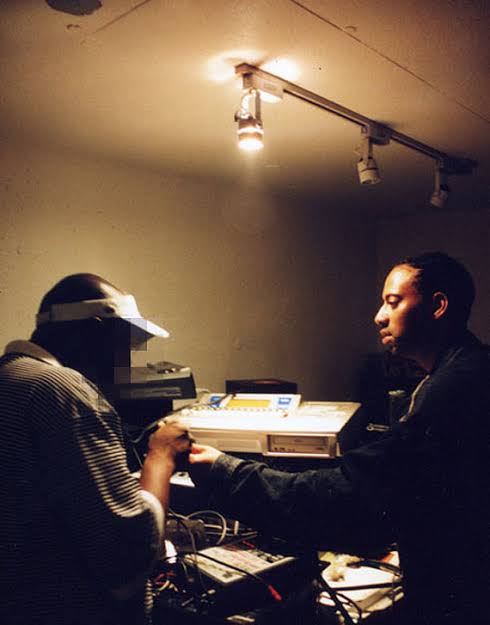
When The Unseen arrived in 2000, it confused almost everyone.
Nothing about it followed traditional rap formulas.
The drums sounded dirty.
The samples drifted in and out of focus.
The verses wandered between comedy, paranoia, absurdity, and philosophy.
The mixes weren’t polished.
Sometimes they weren’t even clean.
It felt less like listening to a professionally recorded album…
…and more like discovering somebody’s personal cassette collection hidden in an attic.
That was exactly its charm.
Rather than hiding imperfections, Madlib embraced them.
Tape hiss remained.
Vinyl crackle stayed.
Off-time edits survived.
Mistakes became personality.
Years later, producers would spend thousands of dollars trying to recreate sounds Madlib left in by accident.
━━━━━━━━━
Lord Quas Was Created Because Madlib Didn’t Like His Own Voice
━━━━━━━━━
Many people assume Lord Quas was always meant to be a fictional character.
The truth is much simpler.
Madlib disliked the way his natural voice sounded on recordings.
Instead of changing his delivery…
He changed physics.
By recording vocals at one speed and playing them back faster, Quasimoto was born.
One insecurity created one of underground hip-hop’s most recognizable voices.
━━━━━━━━━
Nobody Knew Who Quasimoto Was
━━━━━━━━━
When The Unseen first appeared, listeners genuinely questioned whether Quasimoto was a real person.
Some assumed Madlib had discovered another MC.
Others believed Quasimoto was simply an anonymous rapper.
Stones Throw embraced the mystery.
The title itself—The Unseen—reflected Madlib’s original idea that Quasimoto should remain an unknown entity rather than a clearly defined alter ego.
━━━━━━━━━
Lord Quas Almost Didn’t Look Like Lord Quas
━━━━━━━━━

Today the yellow cartoon creature is inseparable from Quasimoto.
But Madlib didn’t originally create that visual identity.
The now-iconic artwork evolved through Stones Throw art director Jeff Jank, who transformed the mysterious character into one of underground hip-hop’s most recognizable mascots.
Without Jeff Jank’s illustrations…
Lord Quas might never have become the icon fans recognize today.
━━━━━━━━━
The Album Accidentally Changed Beat Culture Forever
━━━━━━━━━
Madlib wasn’t trying to invent a genre.
He wasn’t chasing trends.
He wasn’t trying to become influential.
He was simply making music the way he enjoyed hearing it.
Yet The Unseen became one of the foundational records for experimental hip-hop, instrumental beat culture, psychedelic rap, and what many listeners would later recognize as the lo-fi aesthetic.
Artists all over the world began embracing dusty samples…
Loose arrangements…
Tape saturation…
Imperfections…
Not because they were fashionable.
Because Madlib proved they could be beautiful.
━━━━━━━━━
The Freedom To Sound Different
━━━━━━━━━
Perhaps the greatest achievement of The Unseen wasn’t commercial success.
It was creative freedom.
The album showed an entire generation of musicians that hip-hop didn’t need to follow rules.
It didn’t need expensive studios.
It didn’t need radio singles.
It didn’t need perfect vocals.
It didn’t even need to make sense.
It only needed imagination.
That philosophy would influence countless producers, from bedroom beatmakers to some of the most respected names in underground hip-hop.
━━━━━━━━━
More Than A Cult Classic
━━━━━━━━━
Most classic albums are remembered because they dominated charts.
The Unseen became legendary for the opposite reason.
It wasn’t designed for the public.
It wasn’t crafted by committee.
It wasn’t focused on commercial appeal.
It was a private collection of strange ideas that almost stayed hidden forever.
And maybe that’s exactly why it still feels so special.
Because every second of the album sounds like Madlib making music for himself.
The rest of us were simply lucky enough to hear it.
Leave a Reply