

Written By: Erick “EKM” Mattern Published:05/15/2026
Hip-hop and skateboarding have always shared more than just an overlap—they’ve moved in parallel as two of the most expressive, rebellious, and style-driven subcultures of the last four decades. What started as separate movements rooted in different environments—hip-hop in the Bronx and skateboarding in the streets of California—eventually collided to form a global aesthetic that’s now inseparable in everything from fashion to music videos to brand identity.
━━━━━━━━━
Origins: Parallel Rebellion
━━━━━━━━━
In the late 1970s and early 1980s, hip-hop was being built block by block in New York City. DJing, MCing, graffiti, and breakdancing formed an entirely new cultural language for marginalized youth. At the same time on the opposite coast, skateboarding was evolving from surf culture into something much grittier and more urban.
As skateboarding moved away from empty pools and suburban environments into city streets, it transformed from recreation into rebellion. Urban architecture became terrain. Stair sets, handrails, ledges, and curbs became tools for creativity.
That shift mirrors what hip-hop artists were already doing. Graffiti writers reclaimed walls. Producers sampled forgotten records. MCs transformed everyday experiences into art.
The first real bridge between these worlds was space itself.
Both cultures were built on reclaiming what others overlooked.
Whether it was a beat looped from a discarded soul record or a handrail becoming a trick obstacle, hip-hop and skateboarding turned ordinary environments into forms of expression.

━━━━━━━━━
The 1990s: Where the Worlds Collide
━━━━━━━━━
The 1990s became the decade where the relationship between hip-hop and skateboarding became impossible to ignore.
Skate videos—arguably the most important media format in skate culture—began leaning heavily into hip-hop soundtracks. Artists like A Tribe Called Quest, Wu-Tang Clan, Gang Starr, and Nas became staples not only in headphones but inside skate edits and full-length videos.
This crossover felt natural.
The dusty loops, jazz samples, and raw lyricism of East Coast hip-hop reflected the same DIY energy found in street skating.
Brands like Zoo York became major examples of this blend. Their aesthetic merged New York skateboarding with graffiti, street photography, and hip-hop culture. Projects like Zoo York Mixtape (1998) felt equally inspired by skateboarding and hip-hop documentaries.
At the same time, skaters themselves adopted many of hip-hop’s visual traits—baggy denim, oversized hoodies, loose silhouettes, and anti-corporate attitudes.
Both cultures rejected polished mainstream presentation.
━━━━━━━━━
Style and Identity: A Shared Language
━━━━━━━━━
By the early 2000s, the influence became mutual.
Hip-hop artists no longer simply appreciated skateboarding—they participated in it.
Pharrell Williams, Lil Wayne, and Tyler, the Creator blurred the boundaries completely through visuals, fashion, and lifestyle.
Artists skated in videos, referenced brands, and embraced the anti-authority spirit central to skate culture.
One of the clearest moments came when Lupe Fiasco released Kick, Push in 2006—a track centered entirely around skateboarding.
Meanwhile, the rise of Odd Future helped reshape the crossover.
Odd Future did not simply adopt skate aesthetics—they embodied them.
Their lo-fi videos, chaotic editing style, DIY merchandise, and raw energy felt closer to classic skate tapes than traditional rap videos.
Fashion became another point of fusion.
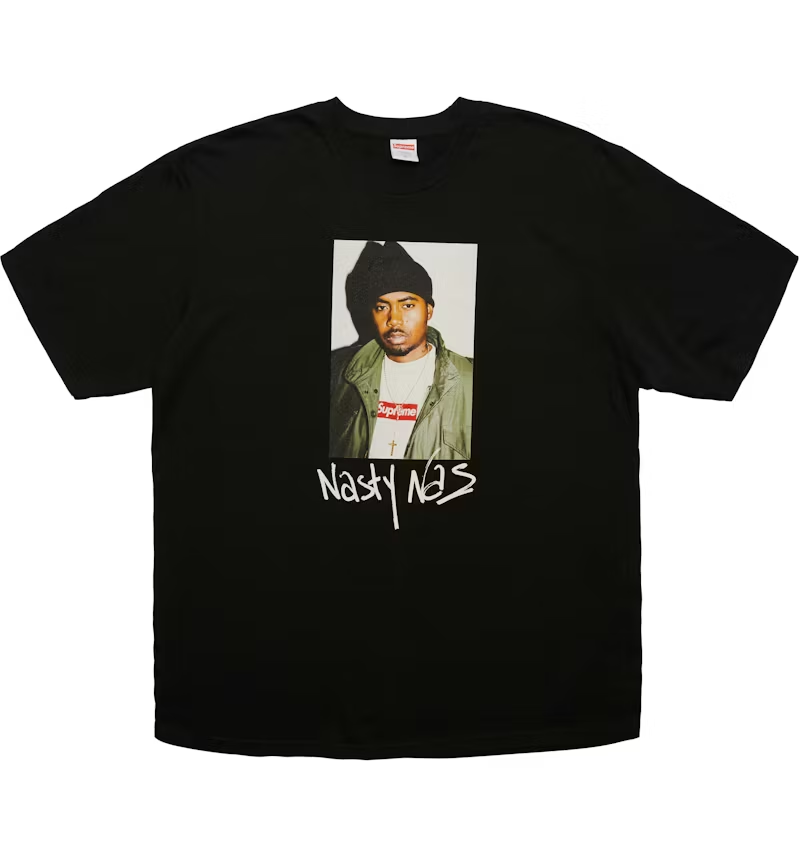
Brands like Supreme transformed from skate staples into global cultural symbols. The box logo hoodie became equally important within rap culture and streetwear.
Skate culture was no longer niche.
It was becoming fashion.
━━━━━━━━━
DIY Ethos and Independence
━━━━━━━━━
The deepest connection between hip-hop and skateboarding may not be fashion or music.
It is mentality.
Before labels, sponsorships, and corporate attention, both cultures existed independently.
Hip-hop grew through mixtapes, independent labels, street DVDs, and local scenes.
Skateboarding grew through zines, homemade videos, and crews filming each other.
Both demanded patience.
Both rewarded authenticity.
Both required years of work before recognition.
Even today, underground rap scenes mirror skate crews.
Artists release loosely structured projects.
Friends film videos.
Local buzz grows organically.
That process is not far from a skate crew dropping a full-length project or pushing footage through local channels.
The grind is identical.

━━━━━━━━━
Regional Crossovers and Local Scenes
━━━━━━━━━
Cities like New York, Los Angeles, and Philadelphia became major centers where skateboarding and hip-hop fully fused.
New York’s lineage runs deep—from Zoo York to Supreme to modern artists carrying that same street-level authenticity.
Los Angeles brought a different energy.
More colorful.
More experimental.
Still connected to skating.
Artists such as The Alchemist, Earl Sweatshirt, and Vince Staples exist in spaces where skate culture feels naturally embedded.
Even outside globally recognized scenes, the relationship remains visible.
Places like Wichita and other Midwest cities continue developing their own versions of this crossover.
Local skaters often discover underground music before it reaches wider audiences.
Local rappers pull visual ideas, fashion inspiration, and attitude from skating.
It stays organic.
Grassroots.
Community-driven.
━━━━━━━━━
Modern Era: Aesthetic Integration
━━━━━━━━━
Today the relationship has become so normalized that it almost disappears into culture itself.
Nobody questions why a rapper skates in a music video.
Nobody questions underground hip-hop appearing in skate edits.
It feels natural.
Artists like MIKE and Earl Sweatshirt continue creating raw, loop-heavy music that resonates with skate audiences.
Meanwhile, internet culture accelerated the relationship.
A skate clip uploaded online can expose thousands of listeners to an underground artist overnight.
Fashion completed the cycle.
Baggy silhouettes, Vans, Thrasher shirts, and skate-inspired fits moved from niche scenes into mainstream and luxury fashion.
But authenticity remains important.
Both cultures still recognize the difference between genuine participation and surface-level aesthetics.

━━━━━━━━━
Conclusion: More Than Influence — A Shared Spirit
━━━━━━━━━━━━━━━━━━━━━━
Hip-hop and skateboarding did not simply influence one another.
They evolved together.
At their core, both cultures revolve around expression, creativity, and transforming the world around you into something meaningful.
A skater landing a trick after fifty attempts.
A producer finding the perfect loop.
An MC rewriting a verse until it feels right.
The mindset remains the same.
Persistence.
Creativity.
Authenticity.
That shared spirit is why the connection has survived for decades—and why it will continue shaping culture moving forward.
Leave a Reply